"I hate to admit this because I've never thought of myself as an institutional creature. But perhaps that's the point: I'm intrigued by how one might infiltrate or even hack or co-opt, if you will, institutional frameworks to advance new modes of thinking and working." — Aric Chen
This is the sentence that won't leave me alone. Every independent school campus NewComm operates on is an institutional framework being co-opted. Every novel we hand to a Fellow is a mode of thinking being advanced through a structure that was never designed for it. The hack isn't dramatic. It's quiet. It's a sixteen-year-old standing in a room that was built for a different kind of student, leading a conversation that was built for a different kind of thinker.
Burnett shot on weekends over several years with a budget of less than $10,000. He wasn't trying to make a political statement. He was trying to render a life that had never been rendered before — not as pathology, not as uplift, just as it was. The warmth in those frames is the warmth of someone who sees his subjects as whole. That's what a Literary Science novel does. It renders without reducing.
A sketch of the four movements as a building section — Asset Mapping as foundation, Flow Analysis as structure, Strategic Response as program, Creative Restoration as the light that comes in.
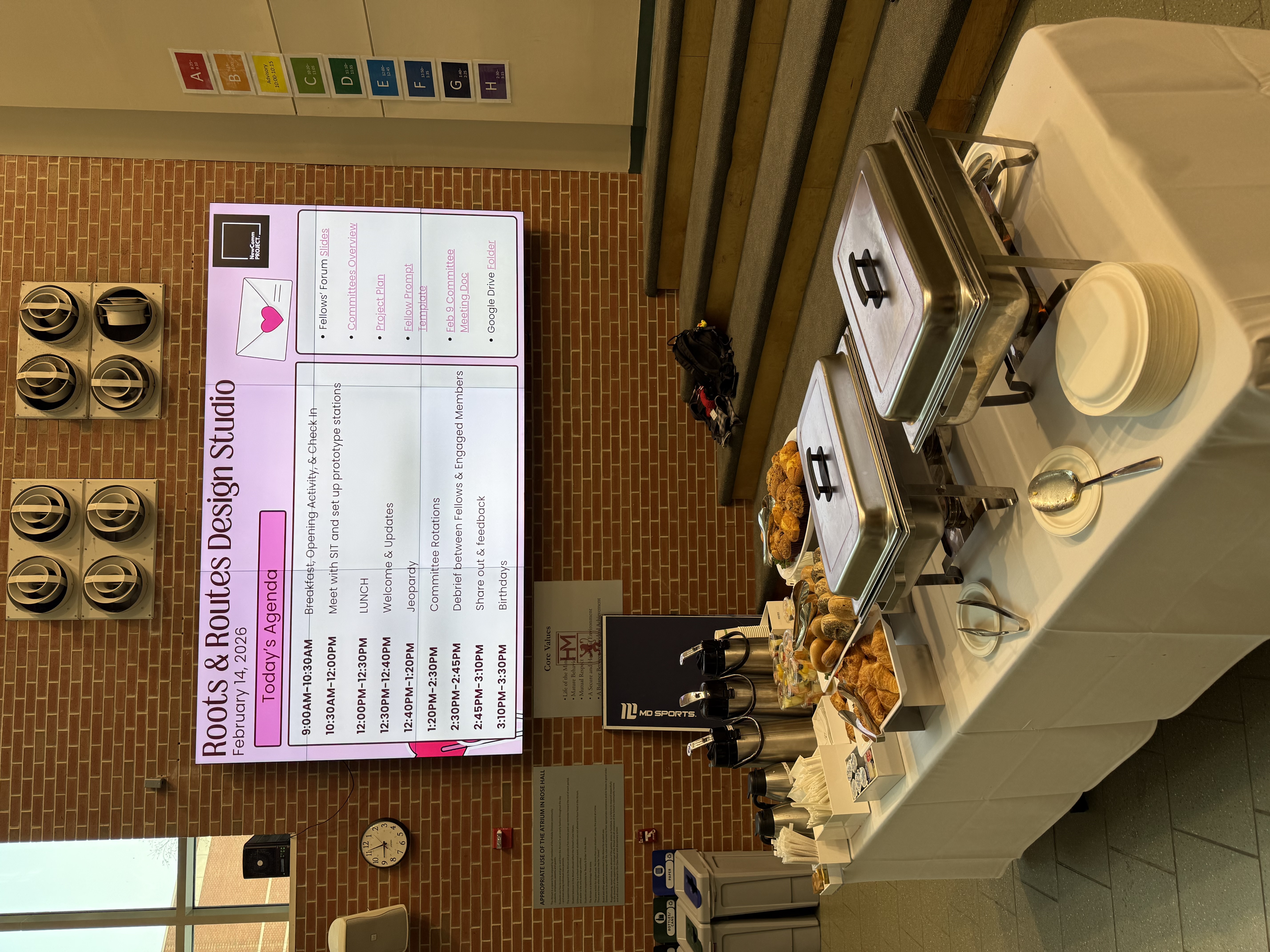
When you walk onto the campus of an independent school in New York — the stone buildings, the manicured grounds, the late-model Range Rovers idling in the drop-off lane — the air has a particular temperature. Cold. Not cruel, exactly, but precise. Competitive. Everything is sorted. And then NewComm arrives and the sorting stops for a few hours and the building becomes something it wasn't designed to be.
Repair implies the system was once working correctly. Restoration implies something was taken. The distinction matters. We are not fixing broken machines. We are returning what was designed away.
"Literature from marginalized voices holds two things simultaneously: the brutal legacy of systemic failures and the homegrown innovation that attempts to dismantle them." — Literary Science Public Guide
Aric Chen on the name: "The new doesn't describe the institute at its time of inception, but rather it describes its permanent state." Literary Science is like this. It isn't new because it was recently invented. It's new because every time a Fellow opens a novel and overlays it onto their community, the methodology produces something that didn't exist before.